
Speak like a local. Fast.
Real conversations with the people around you, from the first stop, the way they actually talk.
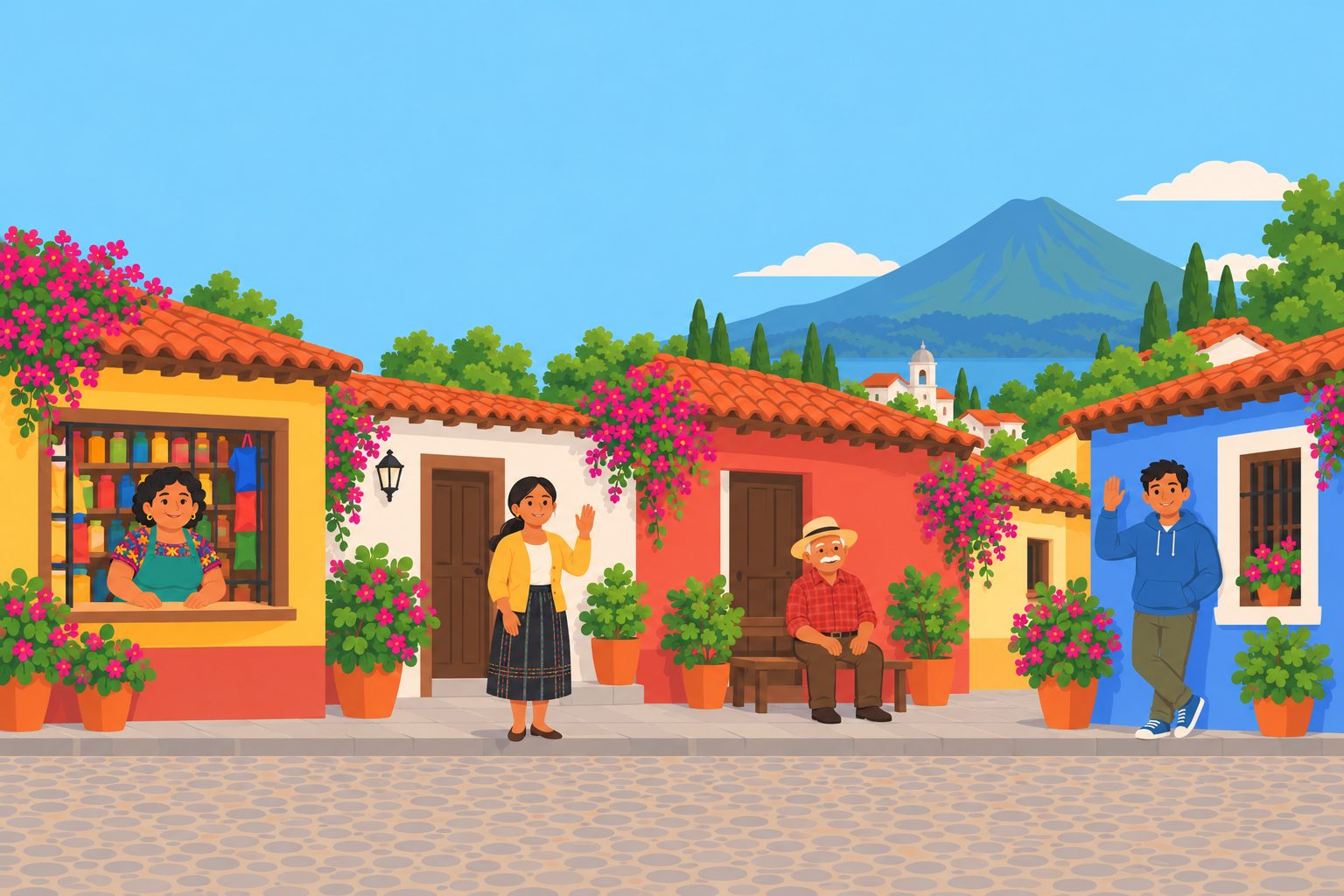
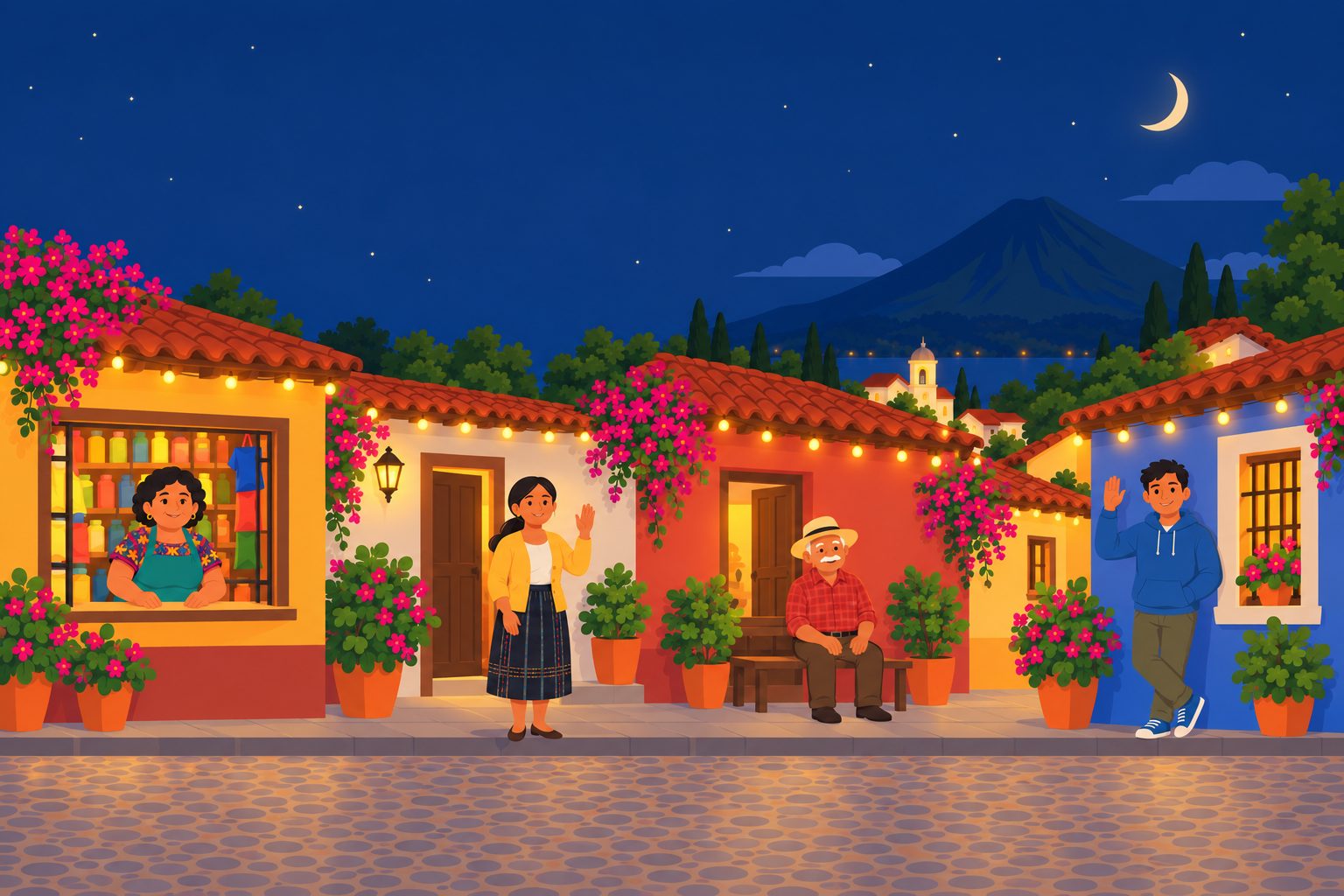
Buenas, ¿qué le doy?Hi, what can I get you?
Hola, mucho gusto.Hi, nice to meet you.
Buenas. ¿Cómo está?Hi. How are you?
¡Qué onda, vos!What's up!
Skip the colors. Start talking.
The first things you learn are the first things people will ask you.
The usual first lessons
el gatothe catrojo, azulred, blueuno, dos, tresone, two, three
A few stops into Lokala

Hola, mucho gusto.
Mucho gusto.
Igualmente. ¿Cómo se llama?
Me llamo Sam.
Mucho gusto. ¿De dónde es?
Your turn
You learn what they'll say back too, so you understand the answer and not just your question.
What people really say
The textbook gets you understood. This gets you a smile.
-
Textbook:
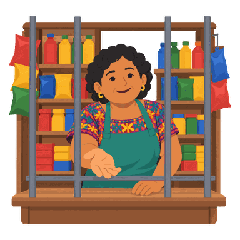
Quisiera un café, por favor.Me regala un café.
Can I get a coffee?
How you ask at any tienda.
-
Textbook:
¿De dónde eres?¿De dónde es? ¿De dónde sos?
Where are you from?
Usted with someone new, vos with friends. Both from day one.
-

Textbook:
¡Qué genial!¡Qué chilero!
How cool!
Pure chapín.
-

Textbook:
Sí, un niño.Sí, un patojo.
Yes, a boy.
What you'll hear when you ask about kids.
Every stop is a neighbor
A path of real situations, each one ending in a conversation you can actually have.
-
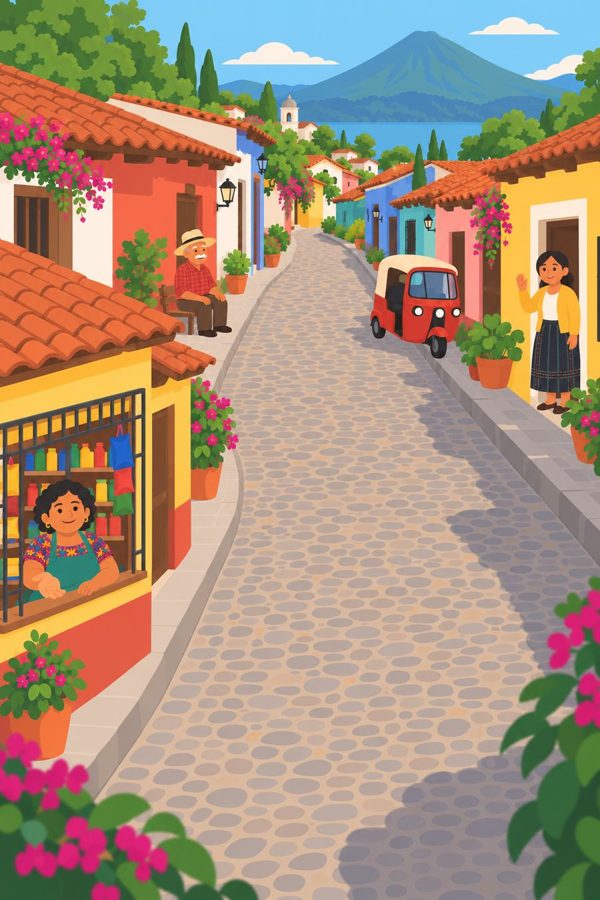
Hola, mucho gusto.
Meeting people Ask where they're from Practice · 81 · THE PLACEYour neighbors are the lessons
The stop you're on is someone on the street, saying the line you'll learn to answer.
-
¿De dónde es?
What does she ask?
 2 · TALK
Easy first, then harder
Hear it, pick it, build it, then say it out loud. Miss one and the next try is easier.
-
AnaAsk where they're from
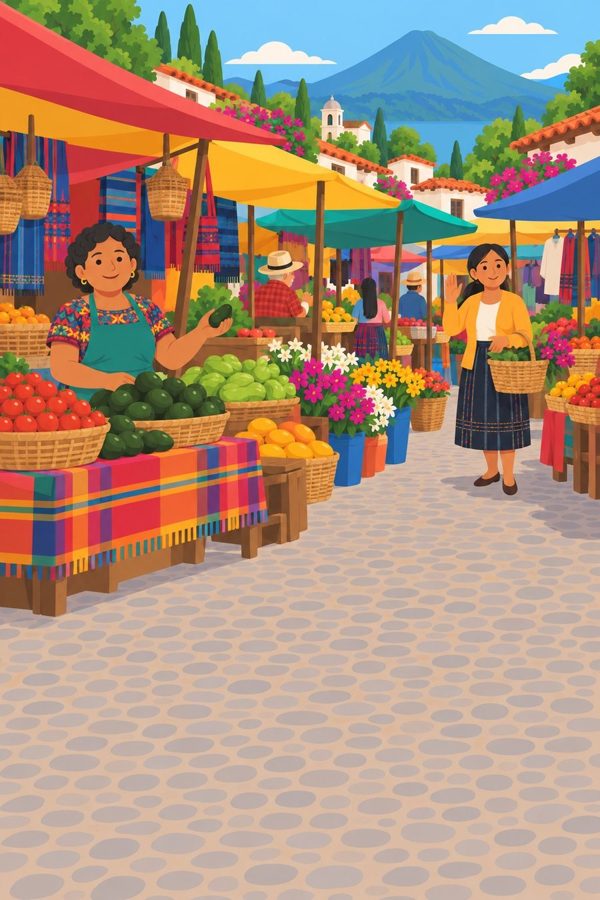
Hola, mucho gusto.
Mucho gusto.
¿De dónde es?
…
Soy de Canadá.Me llamo Sam.3 · THE CONVERSATIONThen the real thing
A short chat with her, where you pick every reply. It only opens once you know every line by ear.
-
 ¡Listo!
 NextLuis has news4 · A KITE GOES UP
Every answer is a stitch
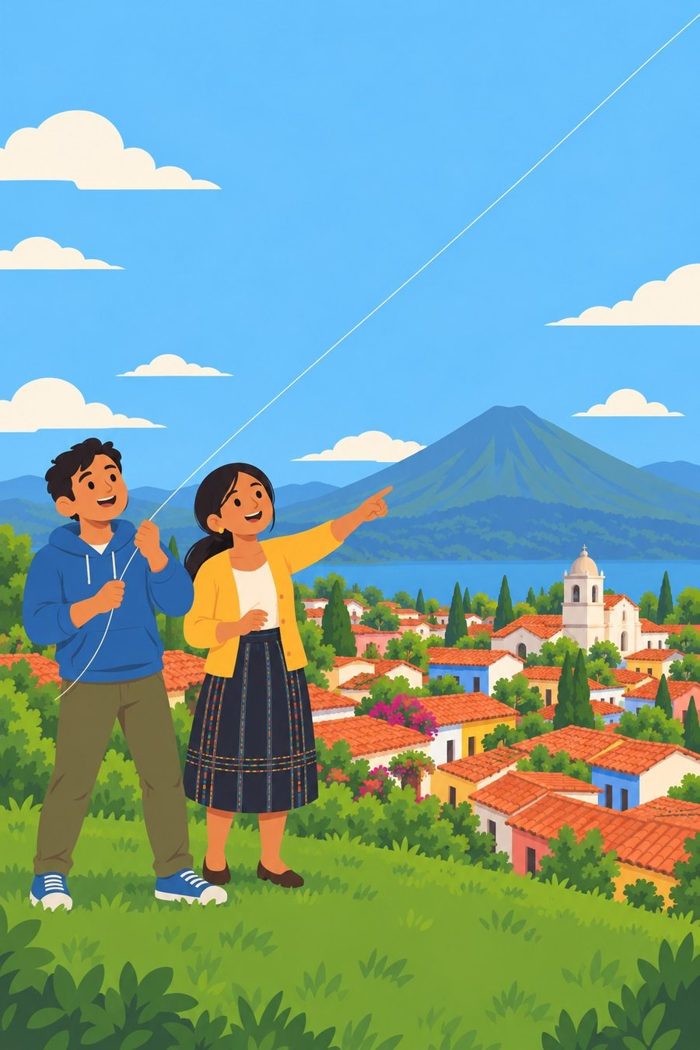
Each stop weaves a row of a faja, and passing it sends a barrilete up over the hill.
Your answers to the questions everyone asks
Where are you from? What brings you here? Pick an answer, or write your own in English and get it in the language you're learning. Then practice it until it comes out on its own.
- Soy de Canadá. I'm from Canada.
- Soy de Estados Unidos. I'm from the US.
- Me encanta cocinar. Your own words
Kabuli Dari
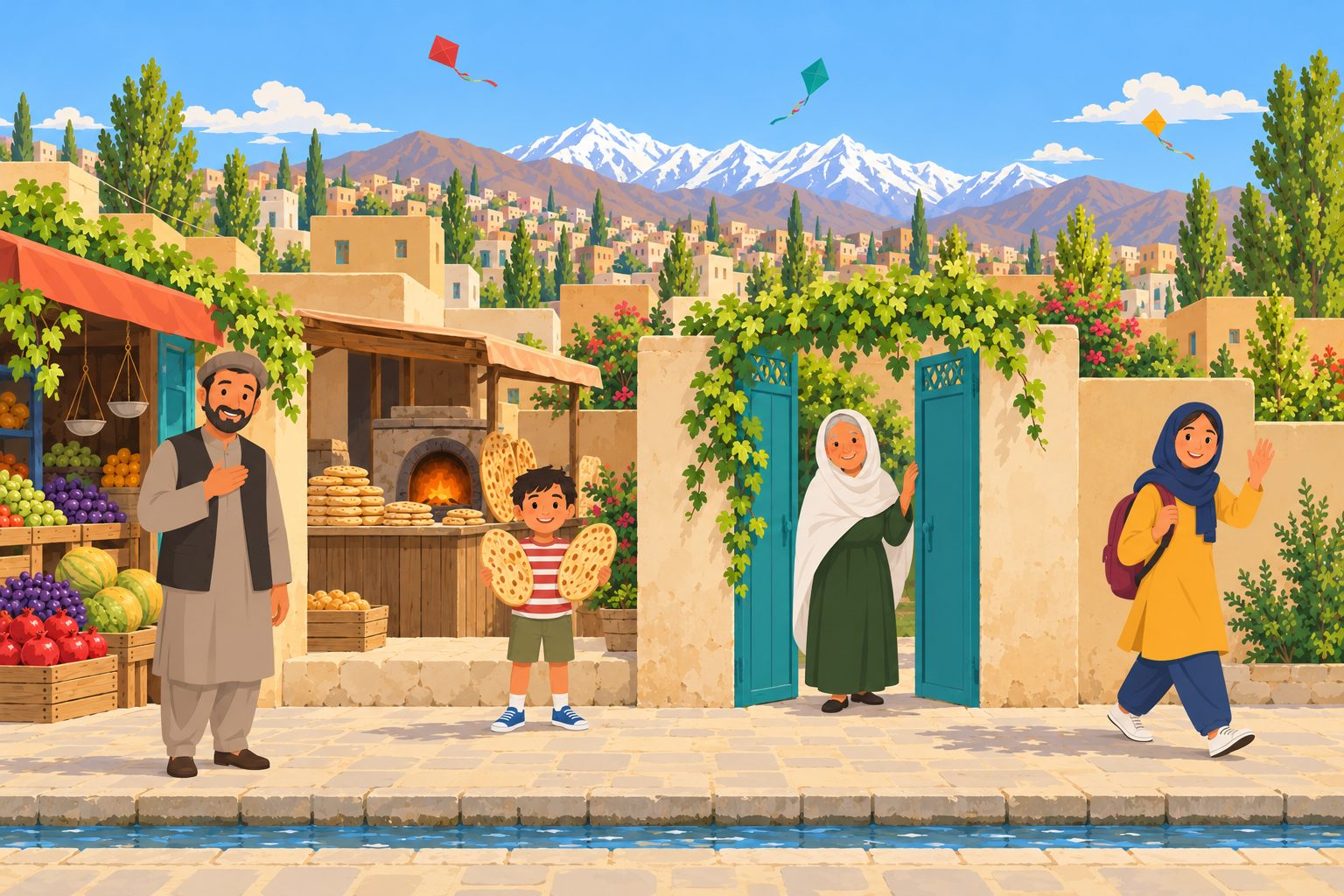
A lane in Kabul, the same way
The Dari people say at the dukan and the door, with every line in the Persian alphabet and in Latin letters.
Salaam, chetor hastin?سلام، چطور هستین؟
Salaam!سلام!
Manda nabashin!مانده نباشین!
Az kuja hastin?از کجا هستین؟
- Manda nabashin!مانده نباشینHope you're not worn out. What you say to anyone working or carrying bags.
- Zinda bashin.زنده باشینMay you live. The warm way to answer it.
- Az kuja hastin? · Az kuja asti?از کجا هستین؟Where are you from? Shoma with Bibi, tu with Omid.
Your carpet
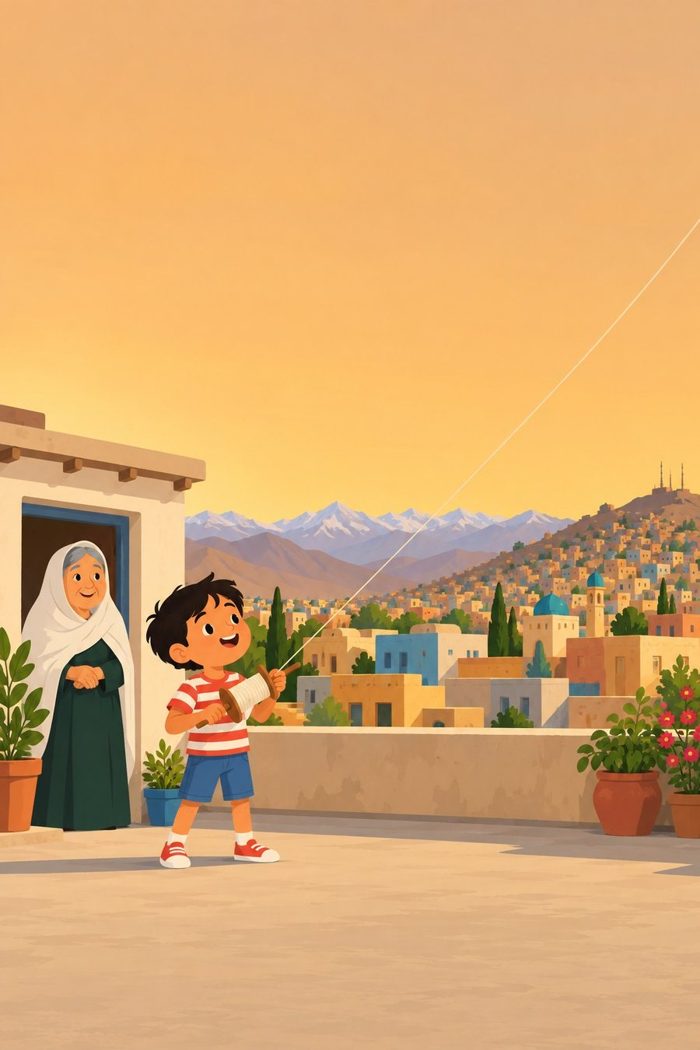
In Dari, every answer ties a knot of a runner carpet, and passing a stop sends Omid's gudiparan up from the roof.
Seven places, each its own
Every language has its own street, its own neighbors, and its own way of marking how far you've come.
-
Buenas, ¿qué le doy?
Español Spanish · Xela, Guatemala · usted and vos“Hi, what can I get you?” Doña Rosa at her tienda
Every answer is a stitch in a faja, and a passed stop sends a barrilete over the hill.
-
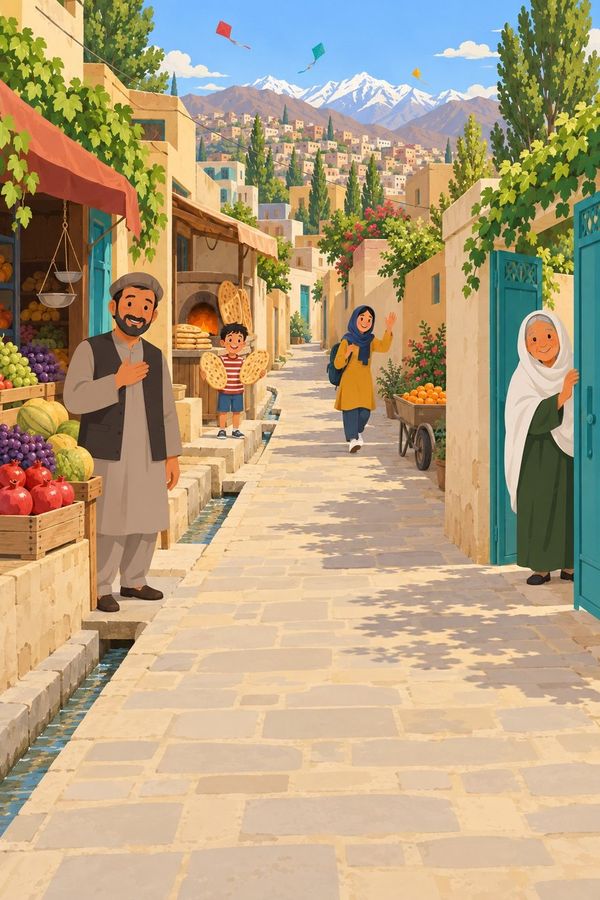
Khush aamadin!خوش آمدین
Dari دری Dari · Kabul · shoma and tu“Welcome!” Bibi at her gate
Every answer ties a knot of a runner carpet, and a passed stop sends Omid's gudiparan up from the roof.
-
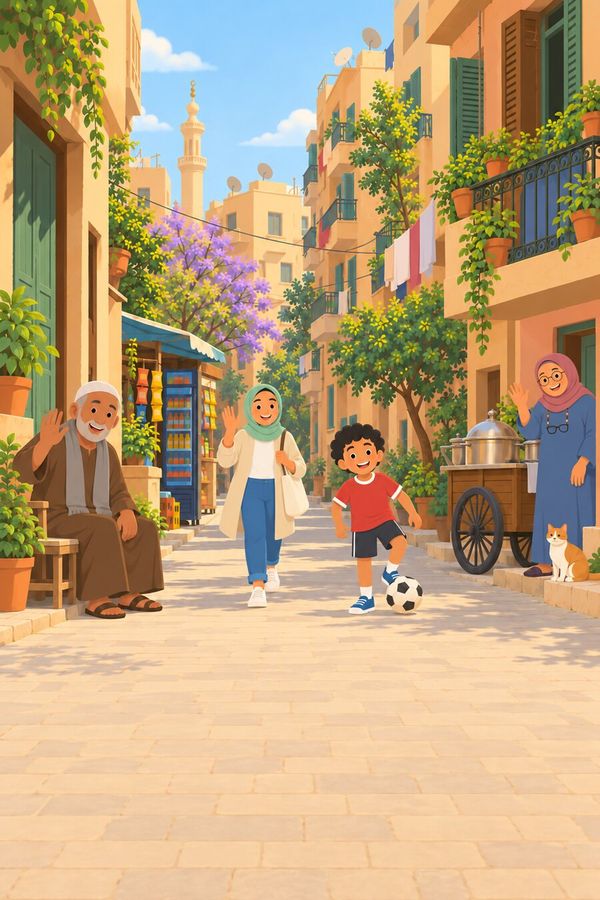
Saba7 el kheir!صباح الخير
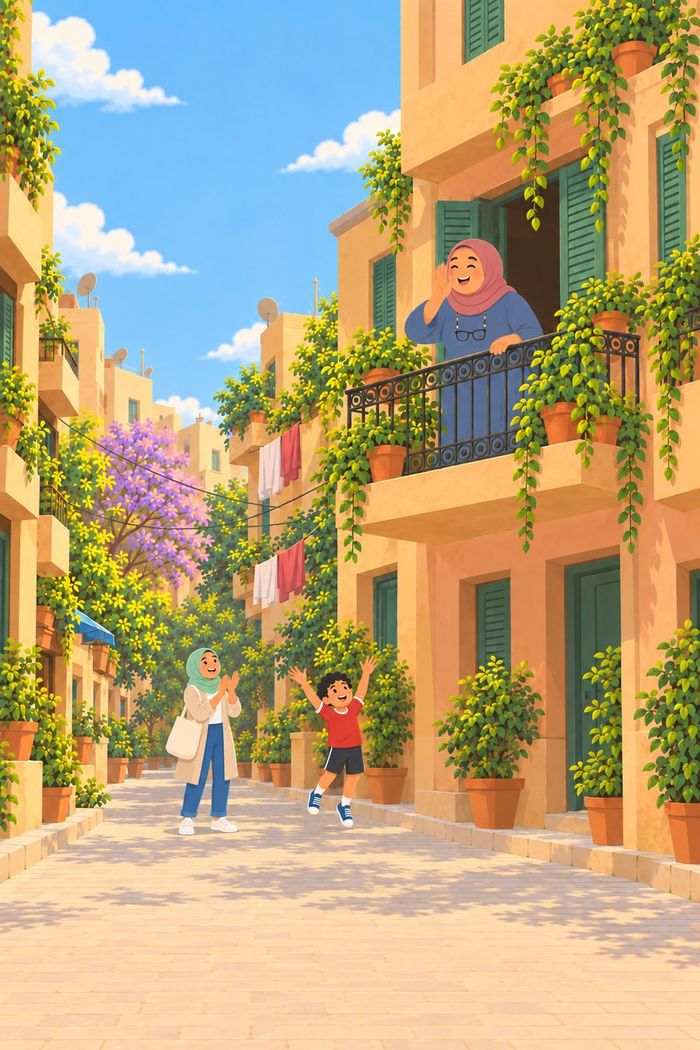
Masri مصري Egyptian Arabic · Cairo · 7adretak and enta“Good morning!” 3am Sayed on the bawwab's bench
Every answer is a kahk on Tant Samia's Eid tray, and a passed stop gets her zaghroota from the balcony.
-
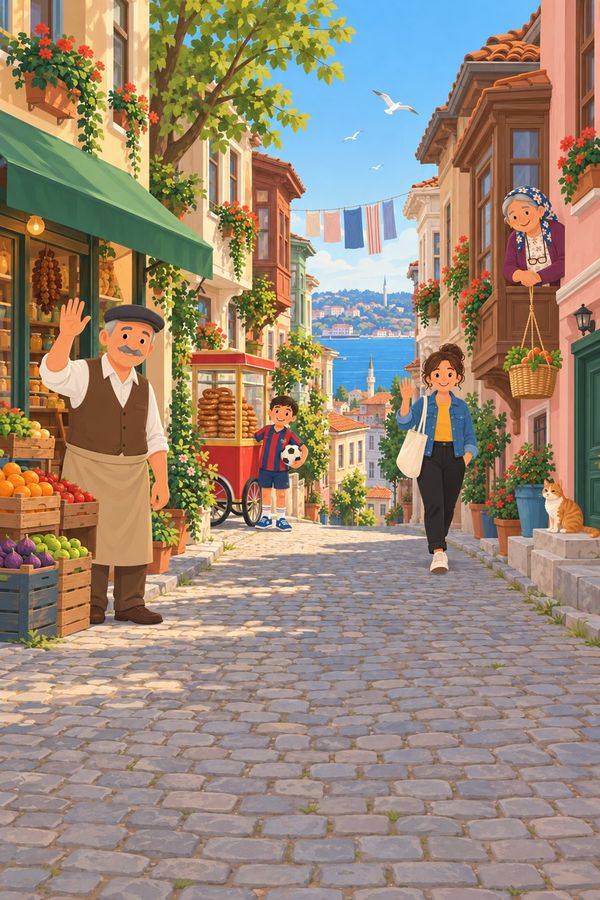
Nasılsınız?
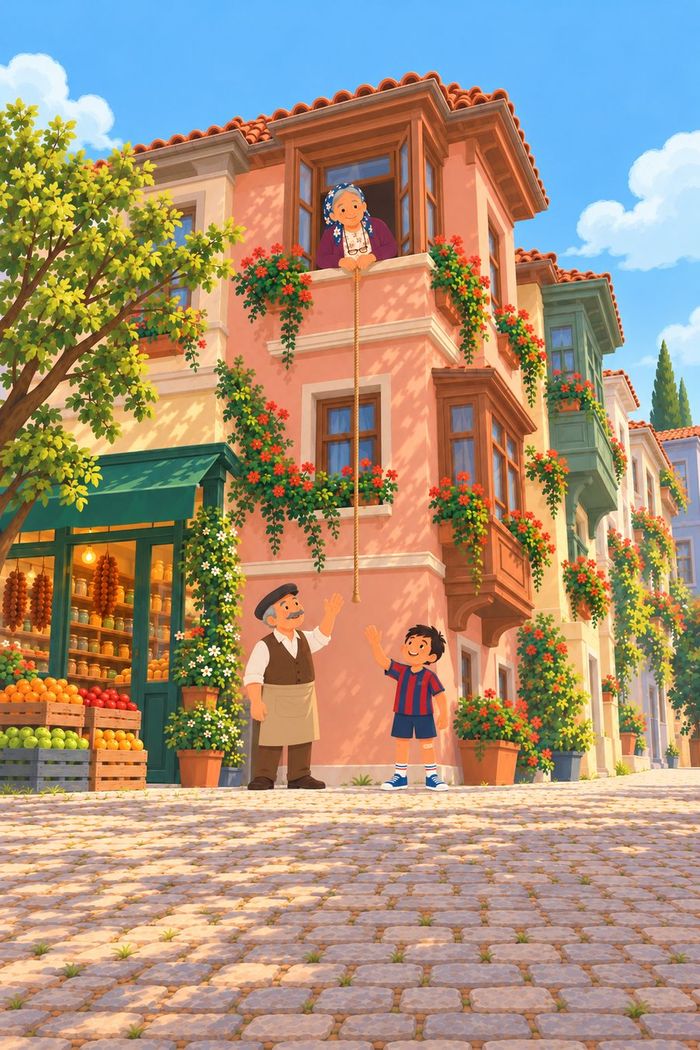
Türkçe Turkish · Istanbul · siz and sen“How are you?” Mehmet Amca at his bakkal
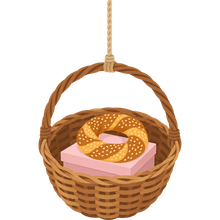
Every answer is a chain stitch of Ayşe Teyze's doily, and a passed stop brings her sepet up its rope.
-

चिया खानुहुन्छ?Chiya khanuhunchha?
नेपाली Nepali · Kathmandu and the hills · tapai and timi“Will you have some tea?” Ba at his tea stall
For travelers. Every answer lights a lamp for Tihar, and a passed stop is Aama's tika and marigold garland.
-

Assalamu aláikum!𐴀𐴝𐴏𐴧𐴝𐴓𐴝𐴔𐴟 𐴀𐴝𐴓𐴝𐴤𐴞𐴑𐴟𐴔
Ruáingga 𐴌𐴟𐴝𐴤𐴞𐴚𐴒𐴝 Rohingya · Arakan · oñne and tuñí“Peace be with you!” Mamu Rafiq at his boat
Every answer is a stitch of Dadi's fultola, and a passed stop opens Mamu's cast net over the river.
-
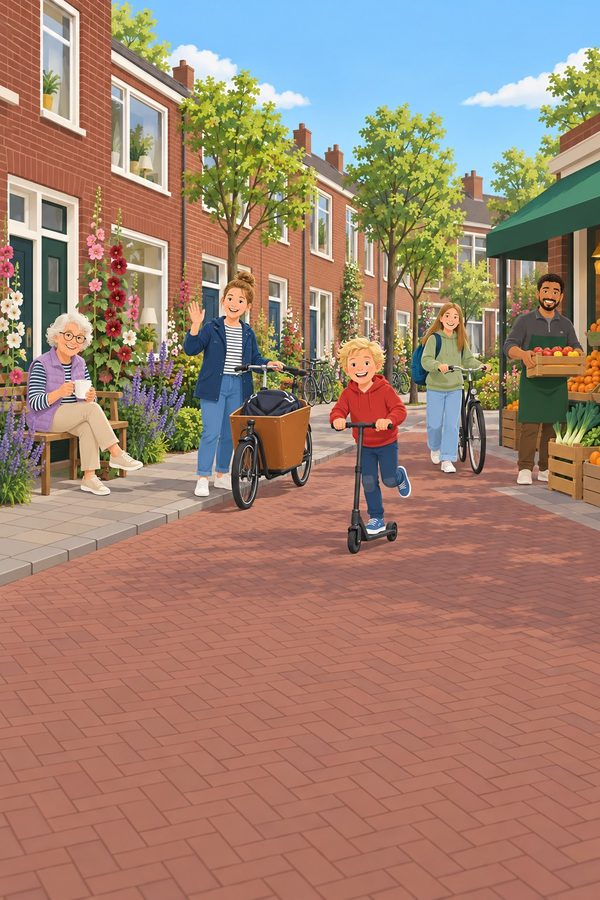
Hoi! Alles goed?
Nederlands Dutch · Utrecht · je and u“Hi! All good?” Sanne by her bakfiets
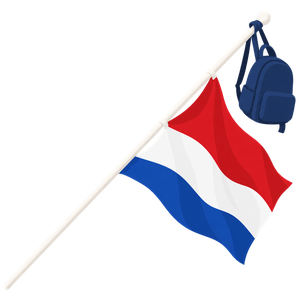
For when everyone switches to English. Every answer seats a guest in the birthday circle, and a passed stop hangs out the flag with the schoolbag.




Be one of the first
Lokala is coming to Android first. Leave your email for early access and the odd note about new languages and launches.
Unsubscribe anytime. Privacy